In 2025, the new energy group EPSO-G successfully implemented projects to strengthen energy independence and allocated investments to a defense industry project. Over the past year, adjusted net profit amounted to EUR 42 million, while adjusted EBITDA grew by more than 5% to reach EUR 76.7 million.
“The Baltic States’ electricity systems have been operating successfully within the continental European synchronous area for over a year. With the completion of the key synchronisation projects, Lithuania’s energy independence has been consolidated. We continue to invest in the reliability of the energy system, the integration of new renewable energy sources and battery storage, and the resilience of infrastructure across the Group. We are also increasing our involvement in the defence industry. At the same time, we are actively participating in regional energy interconnection projects. A new interconnection with Poland is planned, links with Latvia are being strengthened, and offshore interconnection projects involving Lithuania, Latvia and Germany are under development, alongside the Nordic-Baltic hydrogen corridor and other initiatives,” says Mindaugas Keizeris, CEO of the EPSO-G.
According to M. Keizeris, the Group expanded into a new area last year through tangible investments, directing part of its funds to the defence industry and thereby strengthening the role of energy within the national security framework.
Record growth in renewable energy sources
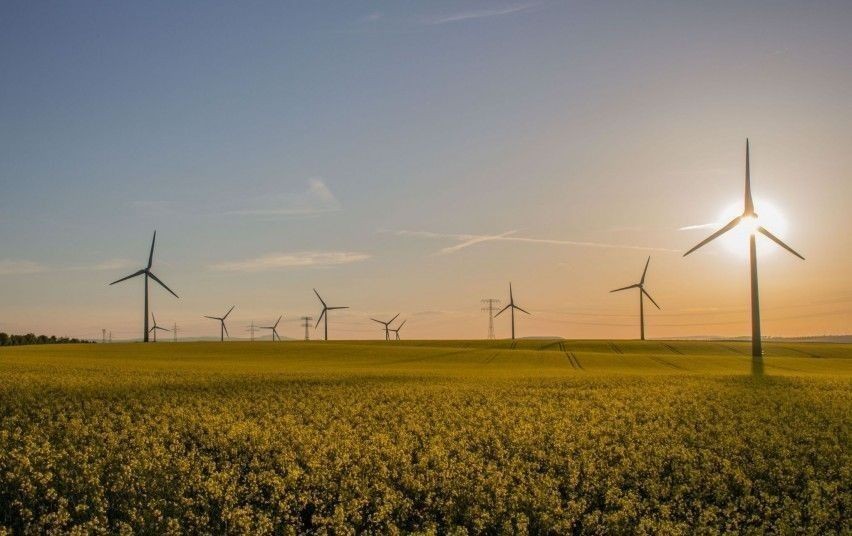
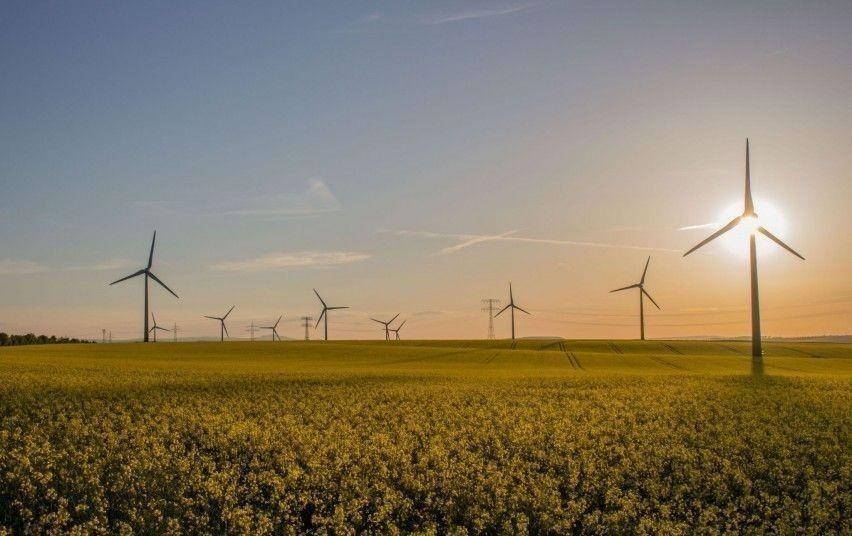
This year, the installed capacity of renewable energy sources (RES) has reached 6 gigawatts (GW). In 2025 alone, capacity increased by a record 1.9 GW. Lithuania is now among the European leaders in the expansion of wind and solar capacity.
In 2025, Lithuania was fully self-sufficient in domestically generated electricity for 70 days, with imports accounting for only 27%. By comparison, in 2024 there were just 5 such days, and imports accounted for 41% of total consumption.
Electricity prices on the exchange were the lowest in the past five years. This was driven by the expansion of renewable energy, which covered around half of Lithuania’s electricity demand, as well as by the availability of interconnections and other market factors.
In 2025, the first commercial battery energy storage systems were connected to the transmission grid, while solar power plants and storage facilities began providing balancing services at the distribution level. Growing system flexibility provides a strong foundation for further development, making flexibility solutions and electrification an increasingly important priority for the Group.
In 2025, Lithuanian producers injected 0.28 terawatt-hours (TWh) of biomethane into the gas transmission system, representing a 54% increase compared to 0.18 TWh in 2024.
Financial results
The EPSO-G Group’s adjusted net profit remained stable at EUR 42 million, compared with EUR 41.9 million in 2024.
Adjusted EBITDA, calculated after accounting for temporary regulatory differences affecting transmission operators and excluding asset revaluation and other non-recurring items, amounted to EUR 76.7 million, representing a 5% year-on-year increase (EUR 73 million in 2024).
The Group’s reported (unadjusted) net profit declined by more than 31% to EUR 37.8 million, while reported EBITDA decreased by nearly 18% to EUR 70.2 million. These results were mainly driven by significantly higher ancillary service costs in the electricity transmission business (Litgrid), due to balancing reserve costs exceeding those included in the regulated tariff, as well as other factors. Temporary regulatory differences are expected to be offset in subsequent regulatory periods.
The EPSO-G Group invested EUR 211.1 million in infrastructure aimed at strengthening the security, reliability and resilience of transmission systems, which is almost 11% less than in 2024. Investments by Litgrid amounted to nearly EUR 188 million, while Amber Grid invested close to EUR 22 million.
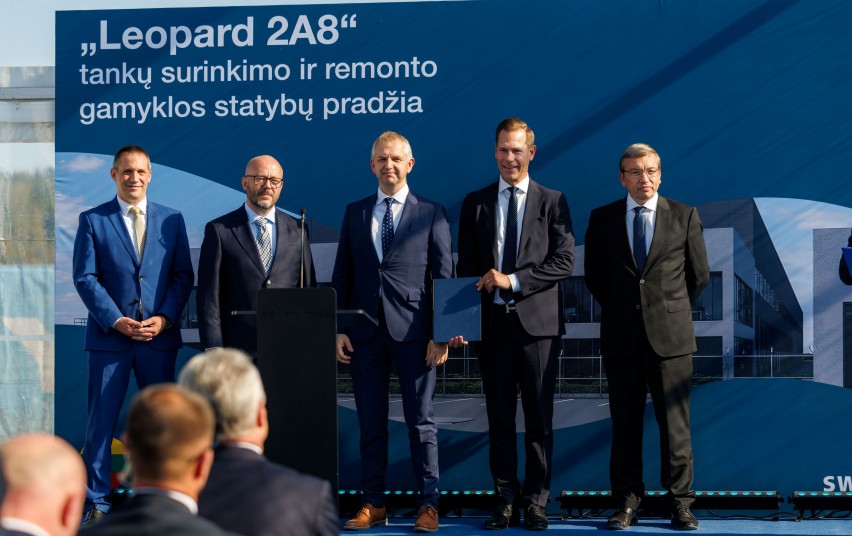
EPSO-G Invest allocated EUR 73.1 million to the defense industry by acquiring a stake in Rheinmetall Defence Lietuva. These funds were contributed by EPSO-G and Valstybės investicinis kapitalas to the equity of EPSO-G Invest..
Transmission network indicators and reliability
The volume of electricity transmitted via Litgrid’s high-voltage transmission networks decreased last year. In 2025, the volume of electricity transmitted to meet the country’s needs amounted to 9.177 TWh, which is 3.5 per cent less than in 2024, when 9.51 TWh was transmitted. Although electricity consumption in Lithuania rose by 2 per cent last year to 11.727 TWh, the volume of energy transmitted by Litgrid was lower due to the growing number of generating customers connected to the distribution network.
By monitoring and managing the electricity transmission system, Litgrid improved its planned targets for electricity supply reliability indicators. In 2025, the average interruption time (AIT) stood at 0.41 minutes, whilst the energy not supplied (ENS) figure was 10,121 MWh. By comparison, in 2024, the AIT stood at 0.855 minutes and the ENS at 24.275 MWh. The National Energy Regulatory Council (VERT) has stipulated that the AIT must not exceed 0.934 minutes and the ENS 27.251 MWh over the course of the year.
Amber Grid transported 33.6 TWh of natural gas to consumers in Lithuania, Latvia, Estonia, Finland and Poland, excluding transit to the Kaliningrad region. This is 15 per cent more than in 2024, when 29.2 TWh of gas was transmitted.
In 2025, the gas transmission operator supplied 15.9 TWh of gas to Lithuanian gas consumers, which is 6 per cent less than in 2024 (16.9 TWh). The annual decline in gas consumption was driven by a significant drop in gas demand from the fertiliser production sector. In 2025 , consumption in this sector fell by more than a quarter (28.6 per cent) – to 5.7 TWh. Excluding the impact of this sector, gas consumption in Lithuania rose – increasing by almost 14 per cent to 10.1 TWh.
To meet the needs of Latvia, Estonia and Finland, 12.7 TWh of gas was transmitted via the gas interconnector between Lithuania and Latvia. This is 27 per cent more than in 2024, when gas transmission volumes amounted to 10 TWh. Flows to Poland almost doubled, from 2.55 TWh to 4.97 TWh. In 2025, due to the utilisation of available capacity, part of the gas flows was redirected to meet the newly emerging gas demand in Ukraine.
There were no unplanned outages in the gas transmission network in 2025 attributable to the operator.
Growth of the biofuel market and enhanced stability of the electricity system
On the Baltpool energy exchange, heat suppliers, independent heat producers and industrial companies from Lithuania, Latvia, Estonia and Poland purchased 8.75 TWh of biomass in 2025 – almost 3 per cent more than in 2024. The total value of transactions amounted to €180.7 million – 4 per cent more than a year earlier. This growth was driven by a slight increase in the average transaction price and a rise of nearly 13 per cent in international demand for biomass.
The Group’s company Energy Cells provides an isolated operating reserve service to Litgrid, and in 2025, following synchronisation, one of Europe’s largest electricity storage systems began operating to provide balancing services. This helps to maintain attractive electricity prices for end consumers.
Positive results were also achieved in 2025 by the Group’s company Tetas, which is developing infrastructure for energy independence.
Sustainability: the Group’s GHG emissions have decreased
A priority area for the EPSO-G Group is reducing the climate impact of its operations. In 2025, the Group’s Scope 1 and 2 greenhouse gas (GHG) emissions fell by 14 per cent compared to 2019. The Group remains committed to reducing Scope 1 and 2 GHG emissions by 30% (compared to 2019) by 2026, by 50% by 2030, and to achieving net-zero GHG emissions by 2050.
In 2025, women accounted for 19 per cent of top-level management positions (14 per cent in 2024). This growth was driven by the Group’s targeted initiatives to strengthen gender balance, including a review of the selection process and the application of gender balance principles as early as the candidate search stage.
The EPSO-G group of companies consists of the holding company EPSO-G and six directly owned subsidiaries: Amber Grid, Baltpool, Energy cells, EPSO-G Invest, Litgrid and Tetas. EPSO-G and the Group’s companies also hold shares in Rheinmetall Defence Lietuva, Baltic RCC OÜ and TSO Holding AS. The Ministry of Energy of the Republic of Lithuania exercises the rights and obligations of the sole shareholder of EPSO-G.